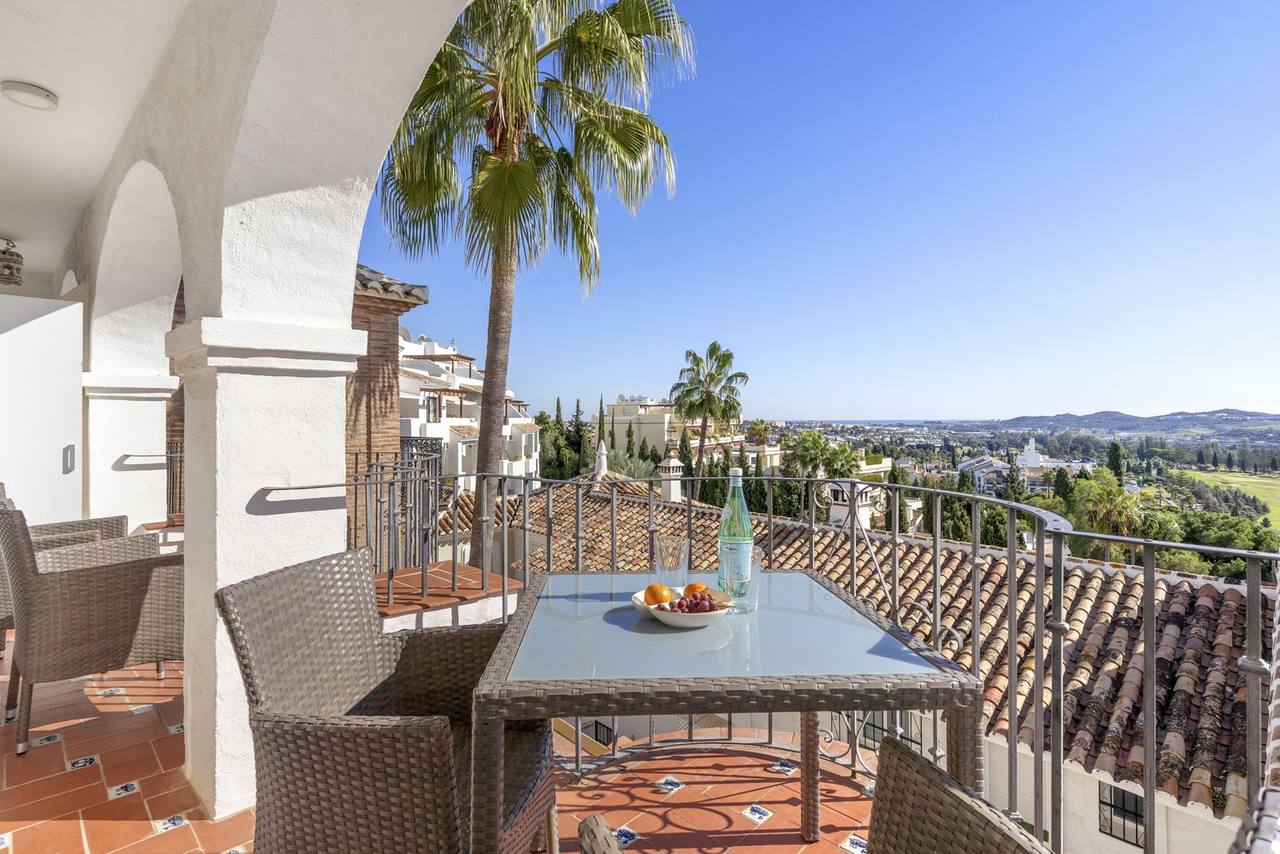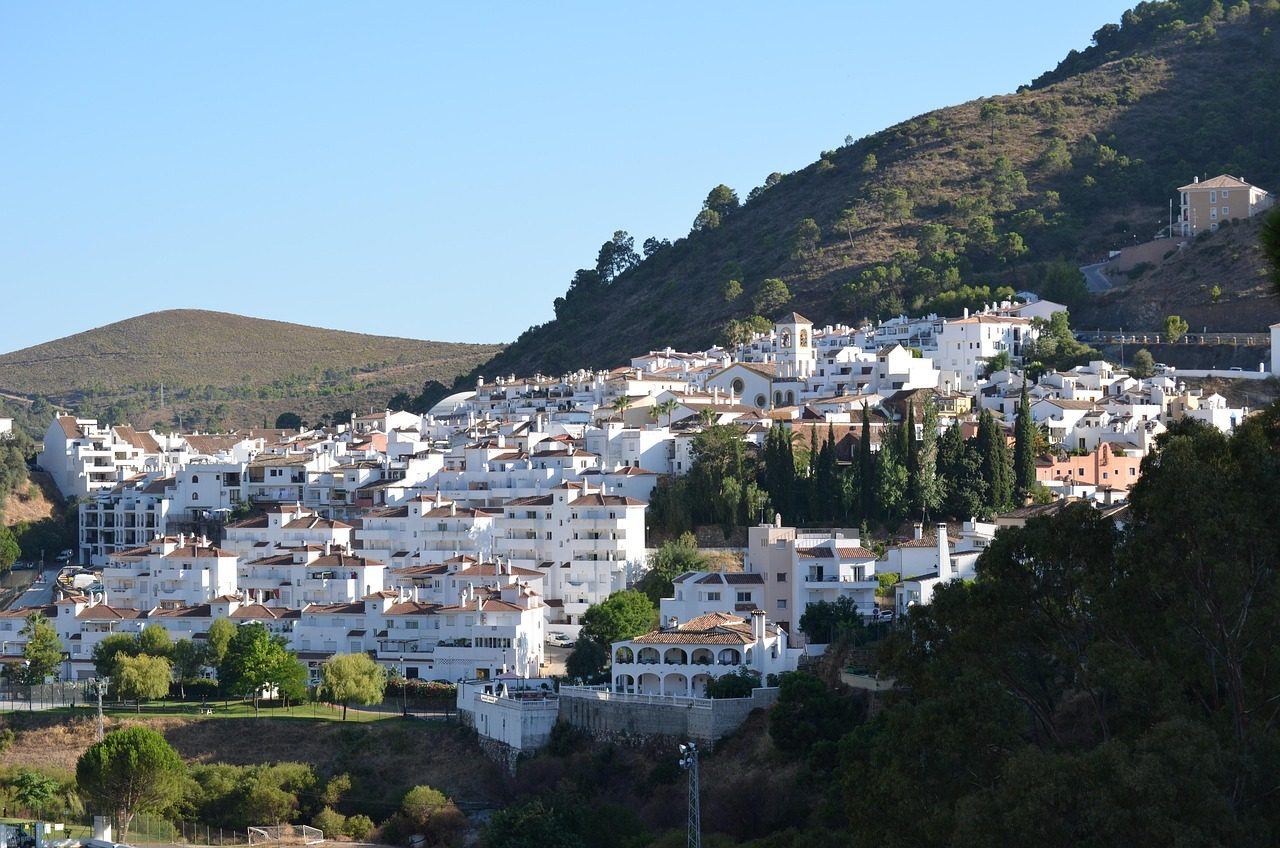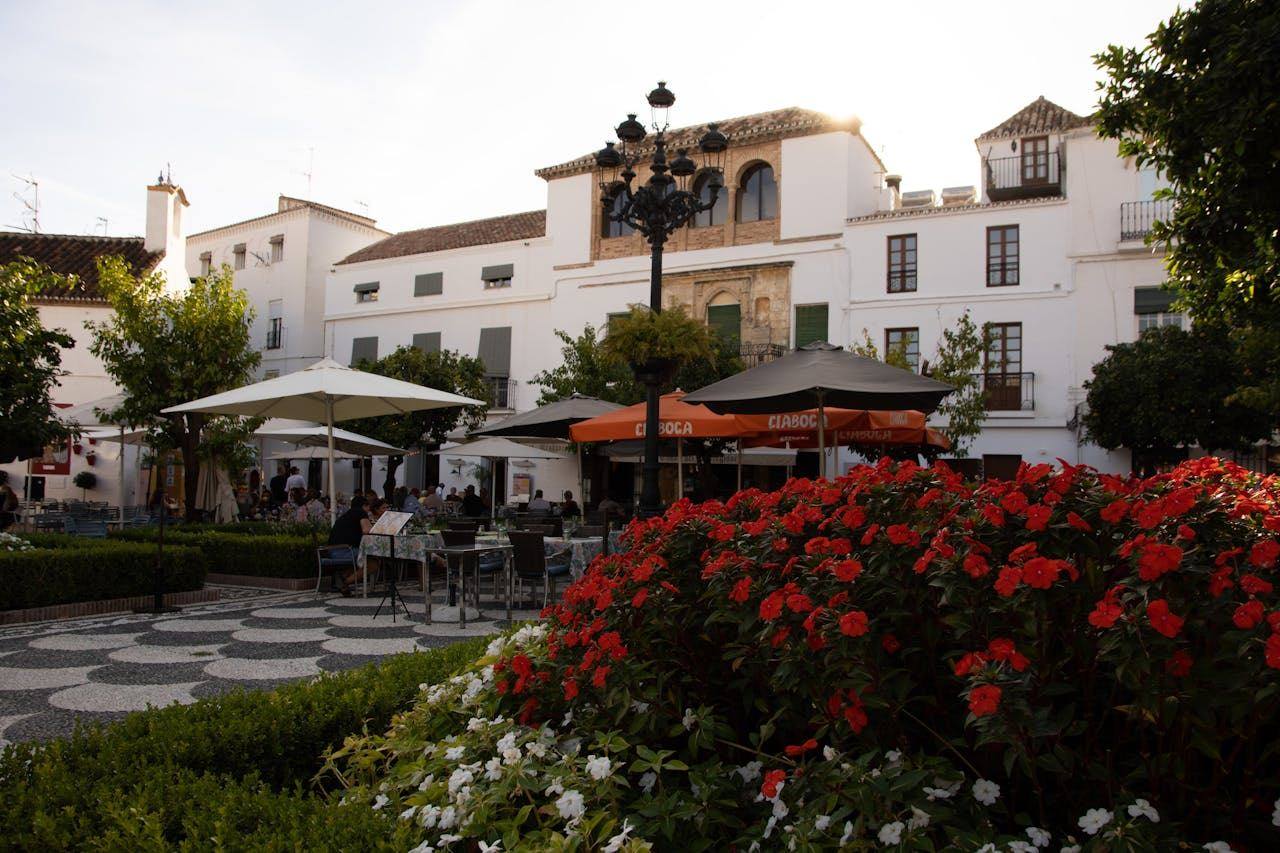

The Alhaurín el Grande municipal events calendar drives identifiable rental-demand spikes that most owners flat-price through. Three windows in particular — Semana Santa, the June feria, and the August Romería de la Cruz — generate booking demand that is reliably above shoulder-season baseline and frequently above peak-summer baseline. Most managers don't price these windows specifically because the demand pattern is local and doesn't show up in coastal-town comparable data. The result is meaningful revenue left on the table on roughly twelve calendar dates a year.
Semana Santa: the under-priced first peak
Semana Santa in Alhaurín el Grande runs from Palm Sunday through Easter Sunday and draws a defined visitor pattern that's distinct from the larger Málaga or Sevilla processions. Local emigrants return for family gatherings, Spanish religious-tourism visitors come specifically for the smaller-town processional experience, and a growing contingent of Northern European visitors come for the cultural calendar combined with mild spring weather.
The booking pressure window starts roughly 8-10 weeks before Easter and peaks 2-3 weeks before. Demand for properties in or near the casco histórico runs significantly higher than equivalent dates outside Semana Santa — often 80-120% higher on nightly rate basis. Properties with a view of any of the procession routes book at a further premium.
The pricing trap: most channel-managed listings raise rates by a generic 10-20% over the Easter window because the global Costa del Sol Easter pattern drives that adjustment. Alhaurín el Grande's Semana Santa demand justifies a 60-100% lift on town-centre properties — a much larger adjustment that most owners aren't applying.
June feria: the local-pattern peak
The Alhaurín el Grande Feria de Junio runs typically the third week of June and is the town's largest annual event. Unlike Semana Santa which draws external religious tourism, the feria is locally-driven — emigrants returning from Madrid, Barcelona and Northern Europe, regional Andalucian visitors from neighbouring towns, and a smaller contingent of cultural tourists.
The booking demand pattern is concentrated. The four nights of the feria itself produce the strongest pressure, with a pre-feria spike on the opening night (Wednesday or Thursday depending on the year) and a post-feria tail through the following Sunday. The catchment for accommodation extends meaningfully into Alhaurín de la Torre and the inland Málaga belt because the town centre saturates on feria nights.
A typical Alhaurín el Grande town-centre property earns 50-90% rate premium over June baseline during the feria week. Properties further from the centre — in the rural-finca campo or golf-course surrounds — earn less premium but still meaningfully more than baseline. The price elasticity is high; the booking demand isn't going elsewhere because the alternatives in commuting distance also fill up.
August Romería de la Cruz: the niche revenue layer
The Romería de la Cruz in early August is smaller than the feria but generates a distinctive booking pattern. The pilgrimage attracts religious-tourism visitors plus the Spanish summer-vacation overlap (most Spanish urban visitors are on vacation in August anyway, so the romería catchment combines with general summer demand).
The pricing impact is harder to isolate from August baseline because August is already the highest-rate window. The romería-specific lift is in the 15-25% range on the immediate dates, but it's compound on the already-peaked August rate. Properties with sight-line on the romería route or near the festival square justify the additional lift.
The smaller events that matter
In addition to the three major windows, the Alhaurín el Grande municipal calendar includes:
- The Patronales celebrating San Sebastián in January — small lift, but on a low-demand month so meaningful
- Carnaval in February — measurable demand from Spanish family visitors
- The summer concert series at the auditorio in July and August — date-specific lifts of 20-30% on concert nights
- The October fair and harvest festivals — modest demand, but the only meaningful local-event lift between September and December
Tracking these in the pricing model adds incremental revenue across the year without requiring fundamental strategy changes.
How we apply this in practice
The Alhaurín el Grande properties under our management have local-event windows pre-loaded in the pricing model. Each window has a specific lift applied — not a generic Costa del Sol seasonal adjustment, but a locally-calibrated number based on prior-year demand data and the specific property's catchment. The result is roughly 4-7% additional annual revenue compared to flat-pricing through the events, with no impact on operational complexity.
The lift compounds with the property's underlying competitive position. A well-positioned town-centre property captures the full event premium; a rural finca far from the casco captures perhaps a third of it. The right pricing model accounts for this differential explicitly rather than applying a single municipal-level lift to all properties.
What this means for owners
If you own an Alhaurín el Grande property and the rental management arrangement does not specifically calibrate for the local event calendar, the revenue gap is not large in absolute terms — typically €600-€1,800 per year — but it's pure margin. The bookings are coming regardless; the question is only whether they're priced correctly.
We're happy to walk through the event-calendar model for a specific Alhaurín el Grande property at the discovery call.
Personally reviewed and approved by Maarten Glaser — owner of Glaser Group: real estate, rental management and investments.